The Ultimate Guide to the
World's Favorite Bubble Drink
Whether you call it boba tea, bubble tea, or pearl milk tea — there's no denying this Taiwanese sensation has taken the world by storm.
Whether you call it boba tea, bubble tea, or pearl milk tea, there is no denying that this Taiwanese sensation has taken the world by storm. With its signature oversized straw and chewy pearls, it's more than just a drink — it's an experience.
What is Boba Tea?
Originating in Taichung, Taiwan, in the 1980s, boba tea is a tea-based beverage traditionally shaken with ice and milk to create "bubbles" (foam) on top. The term "boba" actually refers to the large, chewy tapioca pearls found at the bottom of the cup.
Fun Fact: The word "boba" comes from Taiwanese slang for the large, round tapioca pearls. "Bubble tea" refers to the frothy bubbles created when the drink is shaken vigorously — not the pearls themselves!
The Core Ingredients
Every boba tea is built on three essential layers — the tea, the milk, and the toppings. Here's what goes into each:
Popular Boba Tea Variations
The boba world has expanded far beyond the classic milk tea. From fruity slushes to layered specialty lattes, there's a style for every palate:
| Style | Description | Popular Flavor |
|---|---|---|
| Milk Tea | Creamy, tea-forward, and smooth | Classic Brown Sugar |
| Fruit Tea | Refreshing, clear tea mixed with fruit juice | Passion Fruit or Lychee |
| Slush / Smoothie | Ice-blended for a thick, frozen texture | Mango or Strawberry |
| Specialty Latte | Layered drinks often featuring Matcha or Taro | Taro Milk Tea |
Is Boba Tea Vegan or Gluten-Free?
Good news for those with dietary preferences — boba tea is highly adaptable. Here's what you need to know:
Naturally Gluten-Free
Yes! Tapioca pearls are made from cassava root starch, which is completely gluten-free by nature. The tea base and most syrups are also free from gluten — making boba a safe choice for those with gluten sensitivity.
Easily Made Vegan
The pearls themselves are usually vegan (boiled in sugar and water), but you must swap the dairy milk for a plant-based alternative like oat or soy milk. Always confirm no dairy creamer is used with your barista.
How to Enjoy Your Boba
Getting the perfect boba experience is an art. Follow these tips to enjoy your drink to the fullest:
-
🌛Shake or Stir Before Drinking Always shake or stir your drink to distribute the syrup and pearls evenly. This ensures every sip has the right balance of sweetness and flavor.
-
🍫Customize Your Sweetness Most shops allow you to adjust sweetness from 0% to 100%. For first-timers, 50–75% is the sweet spot. For plain milk teas, 75% is ideal.
-
🧊Adjust Your Ice Level Don't be afraid to customize. Choosing "less ice" or "no ice" gives you significantly more liquid in the same cup — great value for premium boba.
-
⏲Drink It Fresh Boba pearls harden after 2–4 hours. Always drink your boba within an hour of purchase for the best chewy, "QQ" texture experience.
🇮🇳 Boba in India: The Boba Bhai Way
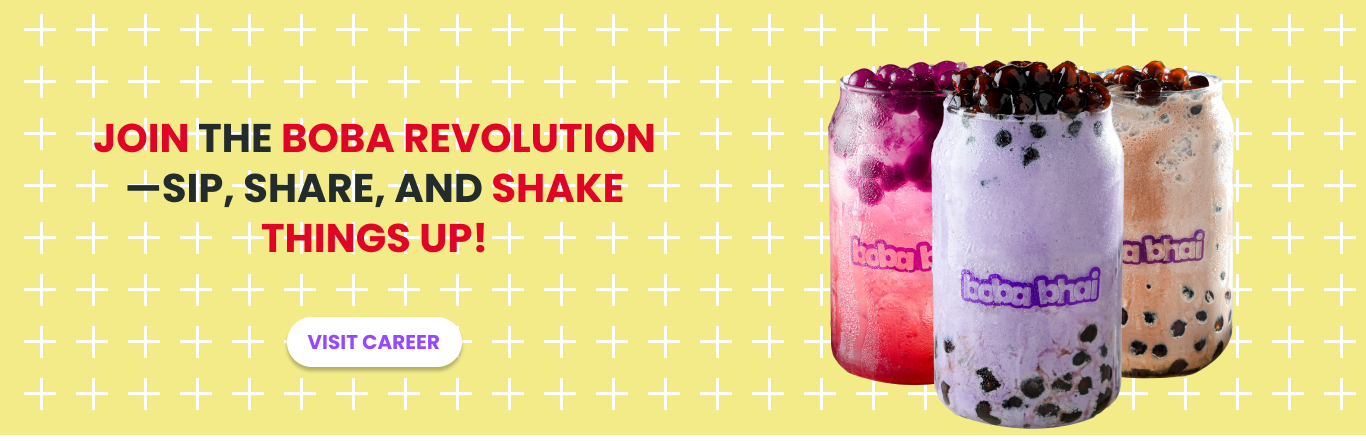
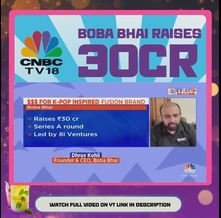
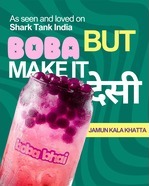
Indian boba shops like Boba Bhai have adapted the drink to local tastes — using locally-sourced ingredients, creating fusion flavors, and keeping prices accessible. The result is a uniquely Indian boba experience that honors the Taiwanese original while embracing local creativity.
From Bangalore to Delhi to Mumbai, Boba Bhai is bringing authentic bubble tea culture to every corner of India.
Frequently Asked Questions
The drink itself tastes like sweet milk tea or fruit juice, depending on the style you choose. The boba pearls have a gummy, chewy texture with a subtle caramel or honey flavor — making every sip a two-in-one sensory experience.
Contrary to popular belief, "bubble" refers to the oxygen bubbles created when the tea is shaken vigorously, not the pearls themselves! The frothy bubbles that form on top of the drink gave it the iconic "bubble tea" name.
Yes! Tapioca pearls are made from cassava root starch, which is naturally gluten-free. They are cooked in boiling water and soaked in sugar syrup, making them safe for those with gluten intolerance or celiac disease.
Absolutely. The tapioca pearls are vegan (cassava starch + water + sugar). To make the full drink vegan, simply request plant-based milk such as oat, soy, or almond milk, and confirm no dairy creamer is added.
Classic Brown Sugar Milk Tea (Deerioca), Taro Milk Tea, and Thai Milk Tea are consistently among the top sellers. For fruit teas, Mango and Lychee lead the category across most boba shops in India and globally.
Beyond the classic tapioca pearls, you can find popping boba (juice-filled spheres), grass jelly (herbal cubes), aloe vera, custard pudding, cheese foam, and red bean. Each topping adds a completely different texture and flavor to your drink.